Buy Ecstasy online
MDMA, also known as ecstasy or “molly,” is a synthetic drug known primarily for its hallucinogenic and stimulant effects. MDMA is short for its chemical name 3,4-methylenedioxymethamphetamine. It is a derivative of amphetamine and has a similar structure to methamphetamine (“meth”).
While MDMA or ecstasy was initially used primarily in nightclubs and raves, its use has now spread to a wider range of populations. According to a 2021 survey by the National Institute on Drug Abuse, 0.8% of the U.S. population over the age of 12 reported using this drug in the previous 12 months.
Signs of MDMA (Ecstasy) Use
According to the National Institute on Drug Abuse, MDMA causes a range of effects including:2
- Anxiety
- Attention problems
- Confusion
- Decreased libido
- Depression
- Impulsiveness
- Insomnia
- Irritability
- Memory problems
- Reduced appetite
The effects of MDMA typically last for three to six hours. However, in some cases, you may continue to feel the side effects of ecstasy or “molly” the day after you take it. The symptoms may even persist for up to a week or more, especially if MDMA is mixed with other drugs such as marijuana.
If you experience lasting effects after taking ecstasy, seek help from a medical professional as soon as possible.
How to Recognize MDMA
MDMA or ecstasy is usually found in tablet or capsule form, but it can also be swallowed as a liquid or snorted as a powder.3
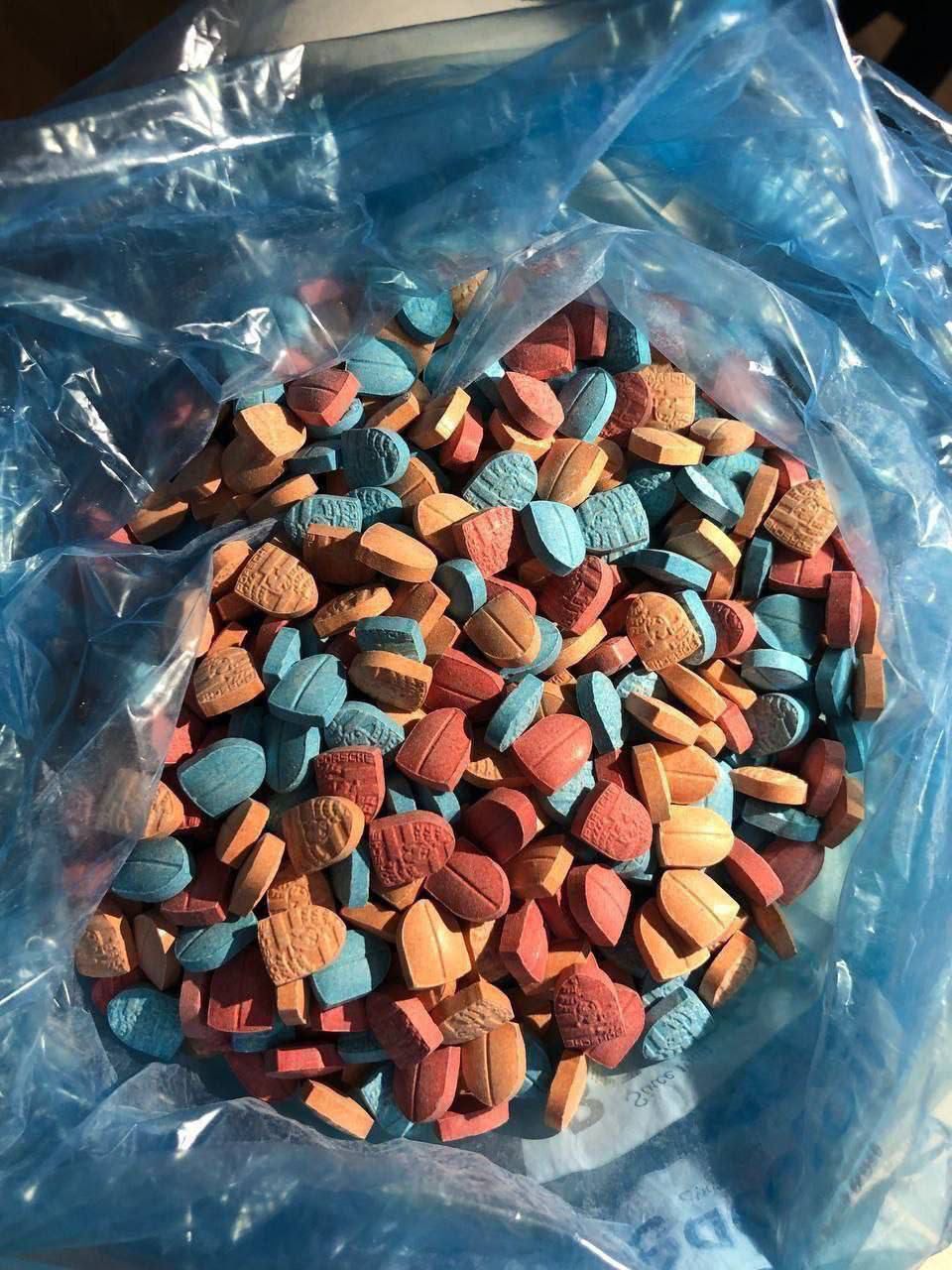
- Tablets: MDMA typically comes in a tablet form and is often imprinted with graphic designs or commercial logos.
- Powder: The popular nickname molly (which is slang for “molecular”) is often used for the supposedly “pure” crystalline powder form of MDMA. However, molly is often combined with other substances, like synthetic cathinone (bath salts), according to the National Institute on Drug Abuse.4
Potential Therapeutic Uses for MDMA
MDMA was explored as a therapeutic drug in the 1970s as some psychotherapists believed it opened people up and enhanced their potential for empathy and understanding of one another.5 This use was interrupted by ecstasy being classified as a Schedule I drug in 1985.5).
Feduccia AA, Jerome L, Yazar-Klosinski B, Emerson A, Mithoefer MC, Doblin R. Breakthrough for trauma treatment: Safety and efficacy of MDMA-assisted psychotherapy compared to paroxetine and sertraline. Front Psychiatry. 2019;10:650. doi:10.3389/fpsyt.2019.00650
As a stimulant, MDMA produces feelings of higher energy. As a hallucinogenic drug, it distorts a person’s sense of time and perception. Ecstasy can also cause body temperature to rise to a potentially fatal level, and its long-term use has been associated with issues related to learning and memory.
Risks of Ecstasy
MDMA is associated with a number of adverse impacts, including:2
- Disorganized thoughts
- Feelings of detachment
- Increased anxiety
- Increased heart rate
- Irritability
- Nausea
- Poor appetite
- Sweating and hot flashes
MDMA Addiction, Overdose, and Withdrawal
Although ecstasy affects many neurotransmitters in the brain impacted by other addictive drugs, the National Institute on Drug Abuse notes that research has not determined whether MDMA is addictive.13 The American Society of Addiction Medicine shares that the definition of addiction is continued use despite harmful consequences.
That said, one study found that ecstasy use is associated with changes in the dopamine and serotonin systems linked to increased impulsivity and substance use disorders.15 Reports also suggest that people who use ecstasy exhibit symptoms and other markers of addiction including tolerance, drug cravings, and withdrawal.
MDMA Overdose
Overdose is rare but can be life-threatening. Ecstasy overdose symptoms can include faintness, panic attacks or extreme anxiety, high blood pressure, and seizures. When ecstasy use is followed by vigorous physical activity, it can lead to a potentially dangerous rise in body temperature known as hyperthermia.
For a few years, in an attempt to circumvent the law, different versions of ecstasy were synthesized. This production was eventually outlawed but re-emerged as a problem around the year 2000 with the popularity of homemade crystal meth.
Reviews
There are no reviews yet.