Buy Buy M30’s online
What are M30 Pills?
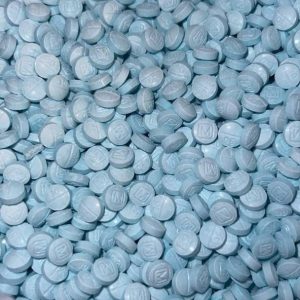
M30 pills, called the blues drug for their distinct blue color, are counterfeit drugs often sold on the streets for recreational use. Many drug dealers will say that these little blue pills with the label M30 pressed into them are prescription opioids like oxycodone or Percocet, tricking people into thinking they’re safe and legally produced. The U.S. Food and Drug Administration (FDA) has issued warnings about counterfeit oxycodone tablets marked “M30.”
However, they often contain much stronger opioids like fentanyl, which is 50 to 100 times stronger than morphine and can easily lead to overdose.
Adding fentanyl to drugs is a common practice in illegally produced substances. Since it has such strong effects, drug dealers only need to add a little bit to their products to produce a strong high when people take them. Since they need to add less to achieve the desired result, it helps them profit more from drug sales.
That said, the DEA states that about 2mg of fentanyl is a potentially lethal dose. 2mg of fentanyl would look like a very small clump of powder that could sit on the tip of a pencil. When drugs are produced illegally and not always measured and mixed correctly, the danger of overdose becomes much more common.
Why M30 pills are so dangerous
Because fentanyl is many times stronger than morphine or standard prescription opioids, only a tiny amount can be life‑threatening. When counterfeit pills are mixed and pressed without proper measurement, some tablets may contain far more opioid than others, so even people who think they are taking the “same” amount can suddenly experience overdose. The drug’s initial effects may include euphoria and relief of pain or anxiety, but as the dose builds in the body it can slow breathing, impair coordination and judgment, and lead to unconsciousness.
Addiction and long‑term harm
Repeated use of M30 pills can quickly lead to opioid use disorder, a medical condition marked by strong cravings, loss of control over use, and continuing use despite serious consequences. Dependence can develop on both the real prescription opioids and on counterfeit versions, and withdrawal can involve intense physical and psychological symptoms such as muscle pain, nausea, anxiety, and insomnia. Over time, misuse can disrupt relationships, work, finances, and overall health, while also increasing the risk of infections, injuries, and fatal overdose.
The Effects of Addiction to M30 Pills and Prescription Opioids
Since M30 pills are often much stronger than real prescription opioids, it makes it more likely that someone can become addicted to them. They can lead to a physical and psychological dependence that results in strong withdrawal symptoms and can make someone feel like they can’t stop taking them or can’t function normally without the drug.
Many people also start taking M30 pills after becoming addicted to prescription opioids like oxycodone or Percocet. When someone’s misusing or abusing prescription opioids for a long time, they’ll eventually run out of ways to get the drugs legally. Therefore, they’ll often opt to buy them from dealers on the street, which can lead to buying fake pills like the blues drug.
Signs and symptoms of “blues” drug use
It can be hard to spot blues use at first, but some red flags stand out. Watch for physical and behavioral changes such as:
- Drowsiness or “nodding off,” even in the daytime.
- Constricted (pinpoint) pupils.
- Mood swings, irritability, or depression.
- Withdrawal symptoms between pills – flu-like aches, sweating, shaking, or nausea.
- Social/behavioral cues like isolation from friends or family, secrecy about activities, stealing money or valuables, decline in grades or work performance, and neglect of personal hygiene.
- Finding paraphernalia such as powder residue, syringes, tiny plastic bags, or pill presses/crumbles. The Drug Enforcement Administration (DEA) provides information on counterfeit pills and fentanyl contamination.
Blues overdose and emergency response
A blues overdose is a life-threatening emergency. The most significant signs of overdose include: [10]
- Unresponsiveness or unconsciousness. The person cannot be aroused or awakened
- Slow, irregular, or stopped breathing, possibly with choking or snoring sounds
- Lips or skin turning pale or bluish from lack of oxygen
- Very small “pinpoint” pupils that do not react to light
- Gurgling or heavy snoring (the “death rattle”)
If you think someone has overdosed on blues:
- Call 911 immediately.
- Assume the pills contain fentanyl.
- Give naloxone (Narcan) right away. Use the nasal spray or injection.
- Keep giving a dose every 2–3 minutes until they respond or help arrives.
- Start CPR immediately. If the person isn’t breathing, give rescue breaths (1 breath every 5–6 seconds for adults). If there’s no pulse, start full CPR (30 compressions to 2 breaths).
- Stay with them. If you can, lay them on their side to prevent choking.
Every second counts. Remember, naloxone is safe and can buy crucial time.
Importance of access to harm reduction resources
Schools and communities sometimes stock naloxone kits for this reason. As the Loudoun County Sheriff noted, in the Park View High overdose incidents, students survived only because school staff administered Narcan and called emergency services as soon as they recognized overdose symptoms.
In addition, where available, use fentanyl test strips before use, distributed by many harm-reduction organizations, to detect fentanyl presence and reduce overdose risk. While fentanyl test strips can detect the presence of fentanyl, they cannot indicate how much is present, and even a trace can be lethal.
Note: In some U.S. states, fentanyl test strips are still classified as drug paraphernalia, though 36+ states and D.C. have now legalized their possession and distribution, and more are updating laws.
Treatment and recovery pathways
Opioid use disorder (OUD) is treatable. Combining medication-assisted treatment (MAT) with counseling and support yields the best outcomes. Approved medications, methadone, buprenorphine (Suboxone), and naltrexone (after detox), reduce overdose risk and curb cravings.
[11] However, fewer than 1 in 5 people with OUD get these drugs, yet they halve the chance of death from overdose.
Alongside medication, behavioral therapies and counseling are important:
- Professional therapy helps replace drug-seeking habits with healthy coping skills.
- Support groups (e.g., Narcotics Anonymous, youth recovery programs) offer peer encouragement and accountability.
- Family therapy strengthens home support and communication.
Comprehensive recovery plans also help and include:
- Medical care for health issues related to opioid use
- Social services (employment or education assistance)
- Relapse prevention training and ongoing monitoring
- Aftercare services
Inpatient or outpatient rehab programs can offer structured care. Most importantly, recovery oftentimes requires repeated effort. Relapse can happen, but it is not a failure—it signals the need to adjust treatment. With sustained support, many people recover and return to living healthy lives.
In the U.S., call SAMHSA’s National Helpline at 1-800-662-HELP for confidential referrals to evidence-based treatment; elsewhere, search for your country’s opioid or substance-use helpline and local treatment directories.
Final thoughts
The rise of “blues” is a reminder that no drug should be taken lightly. A pill bought on the street is never safe, unlike a pharmacist’s oxycodone, a blue/M30 might contain a deadly dose of fentanyl. The Centers for Disease Control and Prevention (CDC) offers resources on opioid overdose prevention.
Parents, teachers, and the youth need to know these pills aren’t candy or medicine they can trust. Even though overdose deaths have started to decline nationwide (a nearly 24% decline), the crisis isn’t over. Overdose is still a leading cause of death among young Americans. [13]
Vigilance, open conversations, and compassion can save lives. If you or someone you know is struggling with blues or any opioid, reach out. Help from professionals and peers can turn the tide, one pill at a time.
Frequently Asked Questions
- What are “M30’s”? “M30’s” typically refers to oxycodone 30mg tablets stamped with “M30.” However, many pills sold as “M30’s” are counterfeit and may contain fentanyl.
- Are M30’s legal? Genuine oxycodone tablets are legal only with a prescription. Counterfeit versions sold on the street are illegal and dangerous.
- What are the risks of counterfeit M30’s? Risks include accidental overdose, respiratory depression, and death due to fentanyl contamination.
- How can you identify counterfeit M30’s? Counterfeit pills often look identical to prescription oxycodone but may differ in texture, color, or taste. The safest approach is to avoid any pill not obtained directly from a licensed pharmacy.
- Is this medical advice? No. This page is for informational purposes only and does not substitute professional medical guidance.
Reviews
There are no reviews yet.