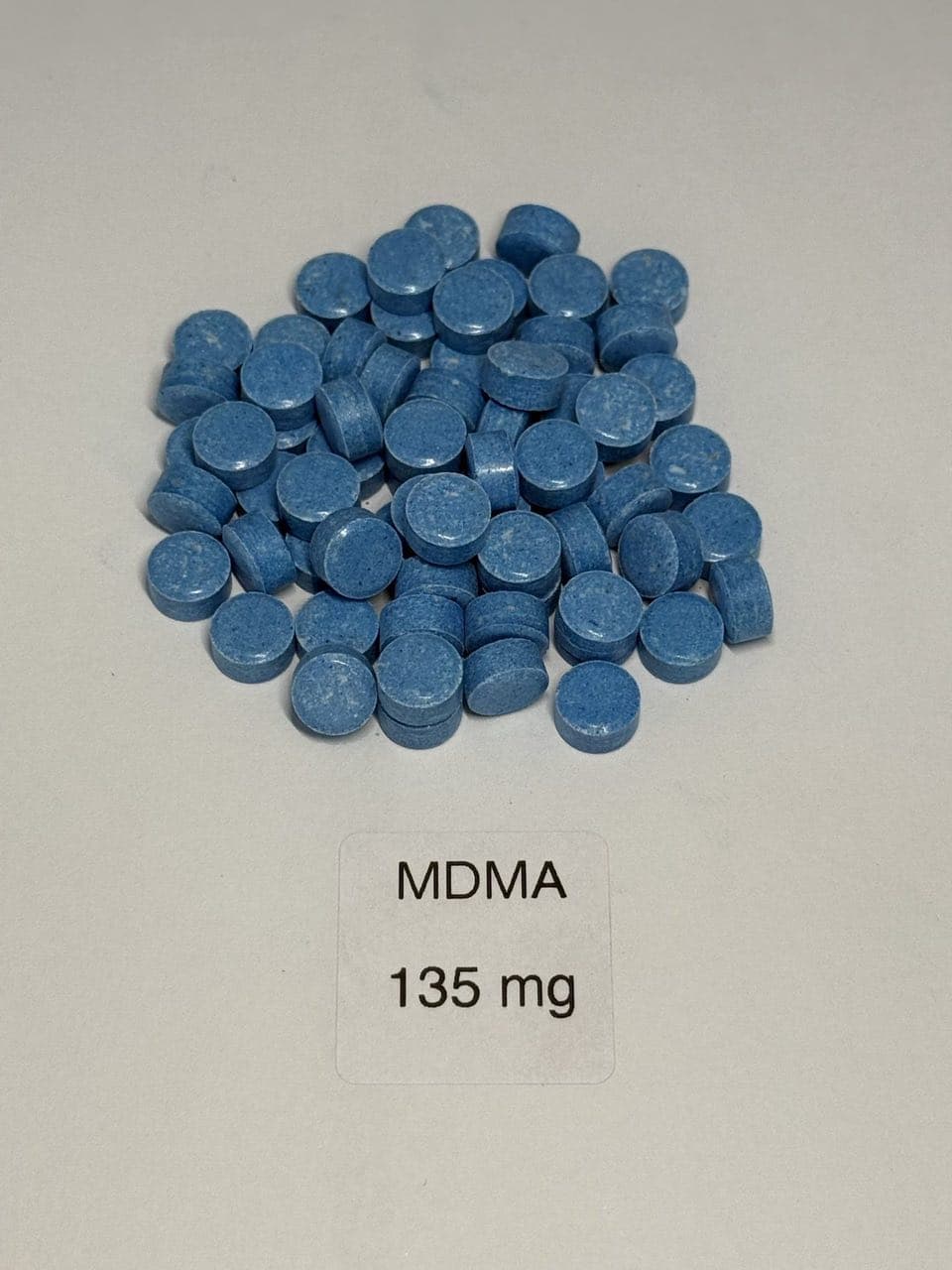
Buy MDMA 135mg-200mg online
MDMA
Common or street names: Adam, Beans, Clarity, Disco Biscuit, E, Ecstasy, Eve, Go, Hug Drug, Lover’s Speed, Molly, Peace, STP, X, and XTC
What is MDMA?
MDMA (3-4 methylenedioxymethamphetamine) is a synthetic, psychoactive drug with a chemical structure similar to the stimulant methamphetamine and the hallucinogen mescaline. It commonly referred to as Ecstasy or Molly by users.
What are the effects of MDMA use?
MDMA stimulates the release of neurotransmitters, such as serotonin and norepinephrine, from brain neurons producing a high that lasts from 3 to 6 hours, but the length of a high is variable based on the user. The drug’s rewarding effects vary with the individual taking it, the dose taken, purity of the MDMA, and the environment in which it is taken.
How does MDMA affect the brain?
MDMA exerts its primary effects in the brain on neurons that use the chemicals serotonin, dopamine and norepinephrine to communicate with other neurons.
Serotonin is most likely responsible for the feelings of empathy, elevated mood, and emotional closeness experienced with this drug. Overall, these neurotransmitter systems play an important role in regulating:
- mood
- energy/activity and the reward system
- appetite
- aggression
- sexual activity
- sleep
- sensitivity to pain
- heart rate, blood pressure
-
How dangerous is MDMA?
Shorter-term health effects include:
- nausea
- muscle cramping
- involuntary teeth clenching
- blurred vision
- chills
- sweating / hyperthermia
-
Can I get addicted to MDMA?
Research results are controversial on whether MDMA can be addictive. Some people do report signs and symptoms of addiction. Almost 60% of people who use Ecstasy report some withdrawal symptoms, including fatigue, loss of appetite, depressed feelings, and trouble concentrating.
Users may encounter problems similar to those experienced by amphetamine and cocaine users, including addiction. Research has shown that animals will self-administer MDMA, an indicator of a drug’s abuse potential.
Some people who use MDMA do report symptoms of addiction, including continued use despite negative consequences, tolerance, withdrawal, and craving, according to the NIH.
After moderate use of the drug over one week, psychological and physical effects due to withdrawal may include:
- irritability
- depression
- confusion
- agression and impulsiveness
- muscle cramps
- problems with sleep
- anxiety
- memory deficits
- loss of attention
- nausea and decreased appetite
- loss of interest in sex https://medscaresolution.com/wp-admin/post.php?post=4519&action=edit
About MDMA 135mg–200mg
MDMA (3,4‑methylenedioxymethamphetamine) is a psychoactive compound studied for its stimulant and mild psychedelic properties. It has been researched in clinical settings for its potential to enhance mood, empathy, and social connection under controlled conditions.
Safety Information
For official safety information, see the
NIDA MDMA Resource.
MDMA is not FDA‑approved for general use and should only be studied or administered under medical or research supervision.
Learn More About Psychedelics
Visit the
NIH MDMA Research
for guidance on current scientific findings and safe approaches to psychedelic studies.
Clinical Studies
Explore published research on MDMA via
PubMed Research.
Frequently Asked Questions
Is MDMA FDA-approved?
No, MDMA is not FDA-approved for general use. It is currently being studied in clinical trials for therapeutic applications.
How does MDMA affect the body?
MDMA increases serotonin, dopamine, and norepinephrine activity, leading to enhanced mood, empathy, and energy.
Can MDMA be used long-term?
No, long-term or unsupervised use may pose health risks. Research focuses on controlled, short-term therapeutic contexts.
Where can I learn more about MDMA safety?
Visit the NIDA and NIH resources for detailed information on MDMA research and safety.
Looking for alternatives? Explore our full range of
research chemicals.


Reviews
There are no reviews yet.